
Ai Content Generator
Ai Picture
Tell Your Story

 Tony Ngari
In -depth review of all-weather car mats.
https://www.amazon.com/dp/B07BPMGTZG/?tag=mygolfconnex20
As an Amazon Consultant I earn from qualifying purchases. #ad #CommissionsEarned #golfconnex
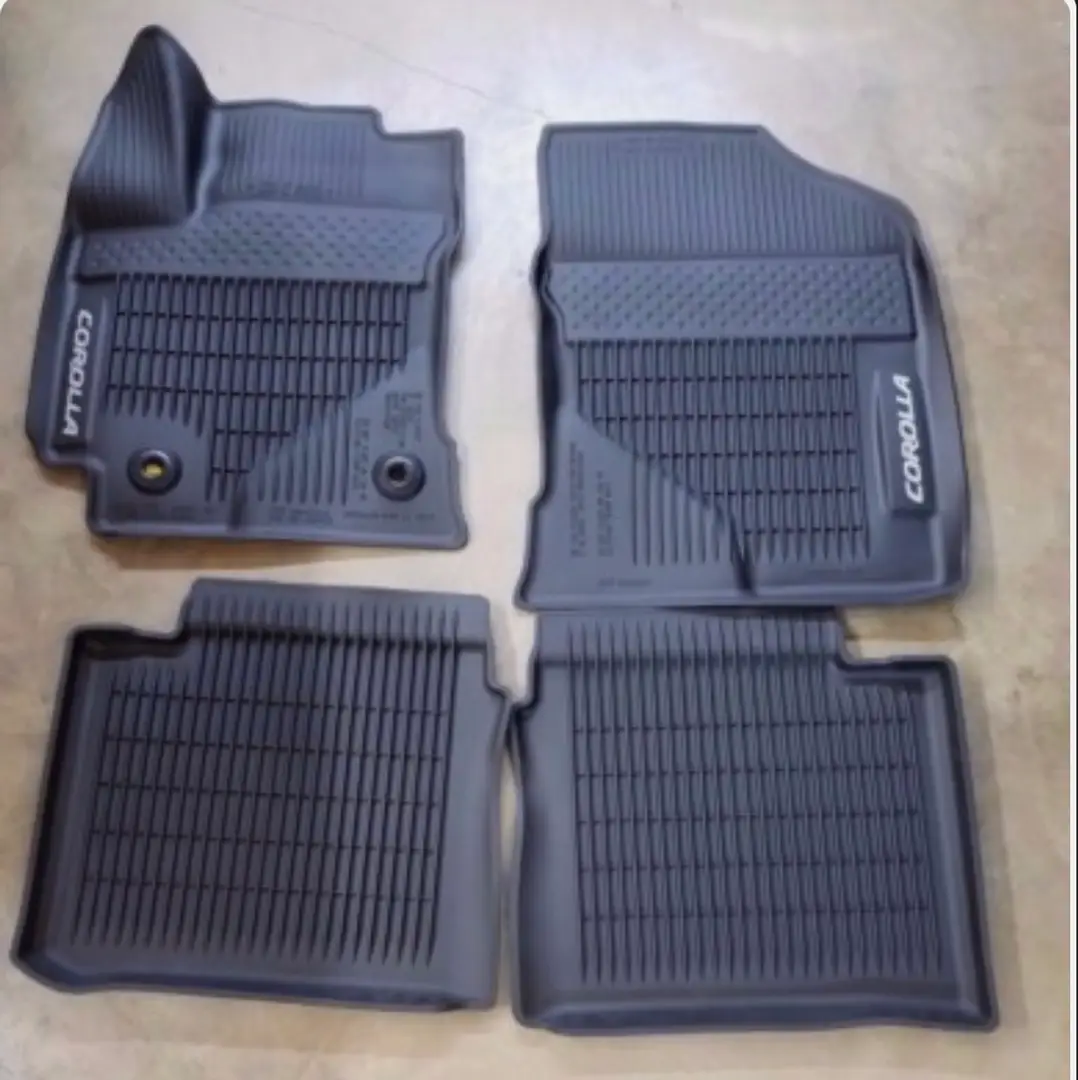
All-weather car mats are designed to protect a vehicle’s interior flooring from moisture, mud, snow, salt, sand, spills, and general wear. Unlike standard carpet mats, they’re typically made from rubber-like materials or thermoplastic elastomers (TPE) with raised edges and channels that trap debris and liquids. Below is an in-depth review covering materials, design, fitment, performance in different climates, maintenance, and brand examples—plus references where possible.
1) What “All-Weather” Really Means
“All-weather” generally implies:
- Water resistance / waterproofing: The mat should prevent liquids from soaking through to carpet.
- High sidewalls (containment): Raised edges help keep melted snow, muddy water, and spills from escaping.
- Traction and stability: Anti-slip nibs or retention clips reduce sliding underfoot.
- Temperature tolerance: The material should remain flexible in cold weather and not deform in heat.
However, “all-weather” is not a regulated standard. Performance varies widely by material and by how precisely the mat fits the vehicle.
2) Key Materials: Pros, Cons, and Real-World Behavior
2.1 Rubber (Natural/Synthetic Rubber Blends)
- Pros: Excellent grip, durable, generally good at staying put, often heavy enough to resist shifting.
- Cons: Can smell (especially cheaper formulations), may harden or crack in extreme cold depending on compound, can be heavier and harder to remove/clean.
- Best for: People who want rugged durability and don’t mind weight or a more utilitarian look.
Example: Many OEM “rubber” mats from automakers use rubber blends and are tuned for the vehicle’s retention points and pedal clearance, often offering reliable fit and safety.
2.2 TPE (Thermoplastic Elastomer)
- Pros: Often lower odor, lighter than rubber, good flexibility in cold climates, can be molded with precise contours and high sidewalls.
- Cons: Quality varies; some cheaper TPE mats can warp in heat or curl at edges; may be less “grippy” than heavy rubber depending on texture.
- Best for: Drivers who want a clean, modern look, good containment, and easier cleaning.
Example brands: WeatherTech’s “HP” line uses a proprietary TPE-like compound (they describe it as a “rubber-like” material) and is known for higher sidewalls and molded channels in many applications.
2.3 PVC/Vinyl (Common in Budget Mats)
- Pros: Low cost, widely available, easy to wipe.
- Cons: Can become stiff in cold weather, may slide more, may have stronger odors, and sometimes lacks deep channels/containment.
- Best for: Mild climates or light-duty use where price is the primary concern.
3) Fitment: Universal vs. Vehicle-Specific (This Matters Most)
3.1 Vehicle-Specific (Laser/3D Scanned) Mats
These mats are designed to match the exact contours of your floor pan, including footrests, seat rails, and transmission tunnels.
- Advantages: Better coverage, better containment, less shifting, typically cleaner look.
- Potential downside: Higher cost.
Examples: WeatherTech FloorLiner, Husky Liners X-act Contour, 3D MAXpider Kagu series (noted for a raised perimeter and layered construction).
3.2 Universal/Trim-to-Fit Mats
These are designed to fit many vehicles and sometimes include cut lines.
- Advantages: Low cost, immediate availability.
- Disadvantages: Often poor side coverage, may interfere with pedals if not secured properly, usually less effective at containing slush and spills.
Safety note: Poorly secured mats can be a pedal entrapment hazard. Always use factory retention hooks/clips if your vehicle has them, and never stack mats.
4) Design Features That Separate Great Mats from “Just OK”
4.1 Sidewalls and Spill Containment
- High sidewalls: Essential for snow/salt regions where melted slush can pool.
- Channels and reservoirs: Help keep liquid away from shoes and prevent sloshing.
Real-world example: In winter climates, deep channels can prevent salty meltwater from spreading across the mat and escaping onto carpet during braking/turning.
4.2 Coverage Area (Dead Pedal, Door Sill Edge, Under Seat)
- Dead pedal coverage: Helps prevent wear where drivers rest their left foot.
- Door-side coverage: Useful if you track in sand/mud from stepping in/out.
4.3 Retention Systems and Anti-Slip Backing
- OEM retention posts: Many vehicles have anchor points—good mats accommodate them precisely.
- Non-skid backing: Spikes/nibs or textured backing helps keep the mat from creeping forward.
4.4 Edge Curling and Warping Resistance
Heat exposure (sun, summer cabin temperatures) can cause cheaper mats to curl. Higher-quality TPE or well-compounded rubber typically resists deformation better.
5) Performance by Climate and Use Case
5.1 Snow/Salt Regions
- Top priorities: Deep containment, tall sidewalls, easy removal for dumping salty water.
- Recommended style: Vehicle-specific liners with high edges.
Tip: Salt can leave white residue; mats with textured surfaces may show it more but also provide better traction.
5.2 Rainy/Muddy Environments
- Top priorities: Traction when wet, channels that trap mud, quick rinse-off cleaning.
- Recommended style: Rubber or high-traction TPE with aggressive tread patterns.
5.3 Desert/Sand
- Top priorities: Fine debris trapping and easy shake-out; coverage near door-side edge helps.
- Recommended style: Mats with micro-texture or shallow channels that prevent sand from migrating.
5.4 Family / Spills / Pets
- Top priorities: Containment and ease of cleaning; rear mats that cover the center hump well.
- Recommended style: Full-coverage second-row liners; consider cargo liners for strollers, groceries, pet hair.
6) Brand/Type Examples (What They’re Known For)
- WeatherTech FloorLiner / All-Weather Mats: Strong reputation for containment and vehicle-specific fit. FloorLiner products are often noted for higher sidewalls and molded channels. (See WeatherTech’s product descriptions and fitment tools.)
- Husky Liners (X-act Contour): Often praised for a slightly softer feel underfoot and strong coverage; vehicle-specific designs.
- 3D MAXpider (Kagu): Known for a more “premium” look and a layered construction with anti-skid backing; often a good option for drivers who want protection without an industrial appearance.
- OEM All-Weather Mats (Dealer/Manufacturer): Usually excellent fit and compatibility with retention systems; sometimes less coverage than deep-lip aftermarket liners, but often very safe and well-integrated.
- Budget universal mats (various brands): Fine for light use, but typically weaker containment and more movement; best in mild climates or for temporary protection.
7) Cleaning and Maintenance (Keeping Them Effective)
- Routine: Shake out debris weekly (or as needed), especially sand and salt crystals.
- Wash: Rinse with a hose or use mild soap and a soft brush. Avoid harsh solvents that can dry out rubber or haze some plastics.
- Dry: Let mats dry before reinstalling to reduce fogging/odor and prevent moisture under the mat.
- Winter tip: Dump pooled slush frequently—standing saltwater can accelerate corrosion on metal seat mounts or floor hardware if it escapes.
Note: Some “tire shine” or glossy protectants can make mats slippery. If you use a dressing, choose one labeled non-slip and test carefully.
8) Safety Considerations (Often Overlooked)
- Pedal clearance: Ensure the mat doesn’t ride up under the accelerator/brake.
- Use retention clips: If your car has anchor points, use them.
- Don’t stack mats: Placing an all-weather mat on top of a carpet mat can increase the risk of interference.
For broader context on floor-mat safety and pedal interference, the U.S. National Highway Traffic Safety Administration (NHTSA) has historically published guidance and recalls related to floor mat entrapment issues (particularly around the late 2000s/early 2010s). Checking NHTSA resources can be useful if you’re concerned about compatibility or safe installation.
9) How to Choose the Right All-Weather Mat (A Practical Checklist)
- 1) Confirm exact trim and floor layout: Hybrid vs. non-hybrid, AWD vs. FWD, optional subwoofers, etc., can change floor shapes.
- 2) Decide between “mat” vs. “liner”: Liners usually provide higher sidewalls and more coverage.
- 3) Prioritize climate needs: Snow/salt = deep containment; sand = easy shake-out; mud = aggressive channels.
- 4) Check for odor sensitivity: TPE often has less odor than cheaper rubber/PVC.
- 5) Review cleaning preference: If you’ll clean often, lighter mats may be more convenient.
- 6) Verify retention compatibility: Ensure cutouts align with OEM anchors.
10) References / Where to Verify Claims
- WeatherTech (manufacturer specs, materials, fitment):https://www.weathertech.com/
- Husky Liners (product lines, fitment, features):https://www.huskyliners.com/
- 3D MAXpider (Kagu series information):https://3dmatsusa.com/
- NHTSA (vehicle safety information; floor mat advisories/recalls in general):https://www.nhtsa.gov/
11) Bottom Line (Summary)
- Best overall protection: Vehicle-specific liners with high sidewalls and strong retention.
- Best for harsh winters: Deep-channel, high-containment designs that are easy to remove and dump.
- Best “premium look”: Layered or textured designs that blend with interior styling while still containing spills.
- Best budget approach: Universal mats can work, but expect compromises in coverage and stability.
https://www.amazon.com/dp/B0DLWNMWDR/?tag=mygolfconnex20
As an Amazon Consultant I earn from qualifying purchases. #ad #CommissionsEarned #golfconnex
If you tell me your vehicle year/make/model (and whether you want first row only, full set, or cargo liner too), I can recommend a few well-matched options and what to watch for in fitment and coverage.
Related Posts
© 2026 Invastor. All Rights Reserved
User Comments