
Ai Content Generator
Ai Picture
Tell Your Story

 Tony Ngari
US about to reclassify marijuana as a class C drug!
The potential reclassification of marijuana as a Class C drug in the United States marks a significant shift in the legal and regulatory landscape surrounding cannabis. Currently, marijuana is classified as a Schedule I substance under the Controlled Substances Act, which denotes drugs that have a high potential for abuse and no accepted medical use. This classification has hindered research, medical use, and the broader acceptance of marijuana.
Reclassifying marijuana to Class C would imply that it is recognized as having medicinal benefits and a lower potential for abuse compared to its current classification. In the UK, for example, Class C drugs include substances like anabolic steroids and some tranquilizers, which are considered less dangerous than Class A and B drugs.
Several factors are contributing to this potential reclassification:
- Growing Acceptance: Public opinion on marijuana has shifted significantly over the past decade, with a majority of Americans supporting legalization for both medicinal and recreational use. A Pew Research Center survey conducted in 2021 showed that 60% of Americans believe marijuana should be legal, which reflects a growing acceptance of cannabis in society.
- Medical Research: Increasing evidence supports the medicinal benefits of cannabis. Research indicates that marijuana can help manage chronic pain, reduce inflammation, and alleviate symptoms associated with conditions like epilepsy and multiple sclerosis. For instance, a study published in the Journal of Pain Research found that cannabis use significantly reduced pain levels in chronic pain patients.
- Economic Factors: The cannabis industry has emerged as a lucrative market, generating billions in revenue and creating jobs. States that have legalized marijuana have seen substantial tax revenue, which can be used to fund public services. For example, Colorado has generated over $1.7 billion in tax revenue since legalizing recreational cannabis in 2014.
However, the reclassification process is not without challenges. Law enforcement agencies, public health officials, and some lawmakers express concerns about the potential increase in usage and the societal implications of broader access to marijuana. Additionally, the Drug Enforcement Administration (DEA) and the Department of Health and Human Services (HHS) play significant roles in the scheduling process, and their views on marijuana's safety and efficacy will heavily influence any reclassification efforts.
In conclusion, the reclassification of marijuana as a Class C drug could have profound implications for its legal status, medical use, and societal perceptions. While there are compelling arguments in favor of this change, it will require careful consideration of public health, safety, and regulatory frameworks to ensure that the transition is beneficial for all stakeholders involved.
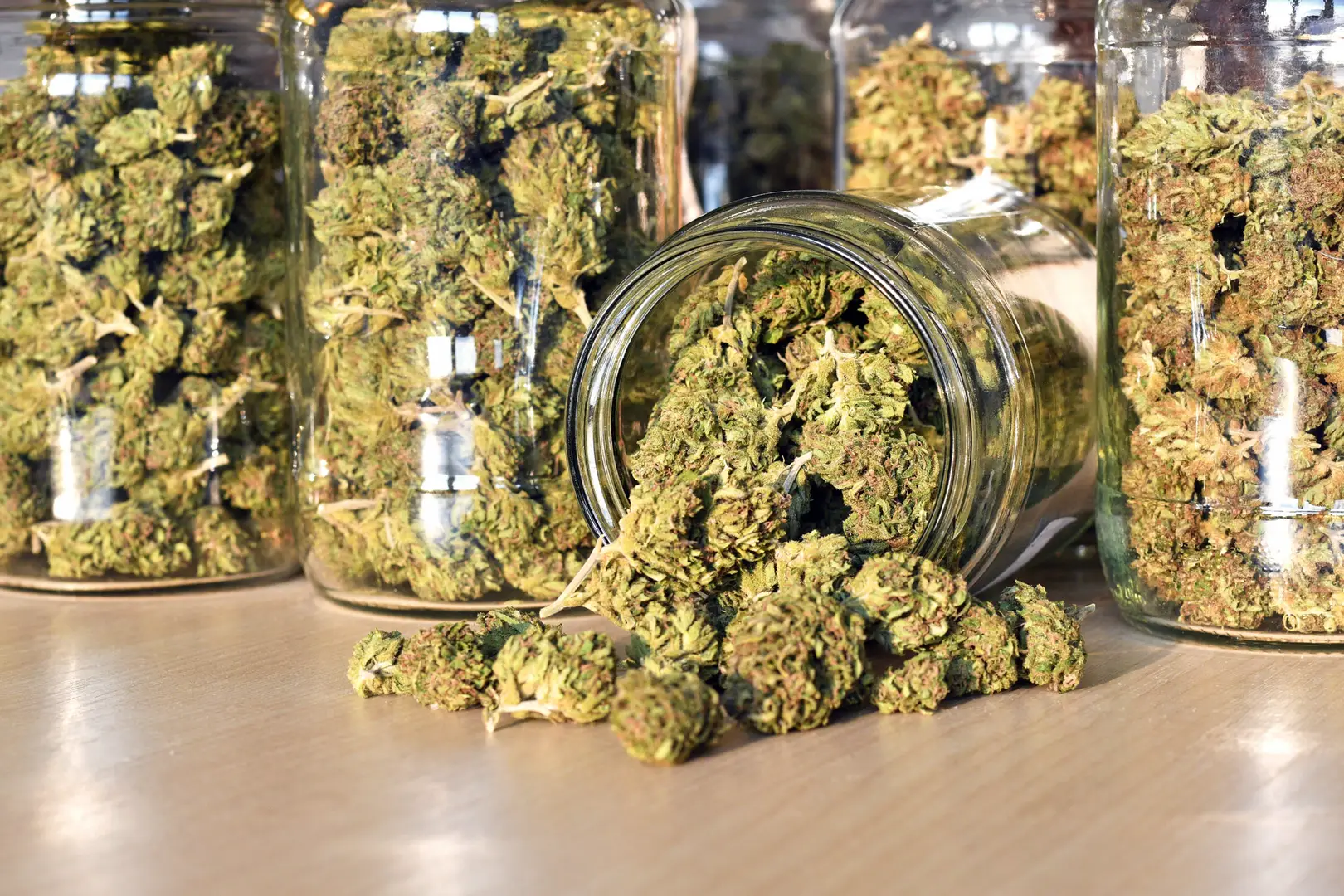
Photo Creator: UrosPoteko. Photo credit: Getty images:stock photo.
Related Posts
© 2025 Invastor. All Rights Reserved
User Comments